Great minds discuss ideas,Mediocre minds discuss events, Small minds discuss people.

Sunday, October 11, 2020

सुना है...

सुना है लोग उसे आँख भर के देखते हैं
सो उसके शहर में कुछ दिन ठहर के देखते हैं

सुना है रब्त है उसको ख़राब हालों से
सो अपने आप को बरबाद कर के देखते हैं

सुना है दर्द की गाहक है चश्म-ए-नाज़ उसकी
सो हम भी उसकी गली से गुज़र के देखते हैं

सुना है उसको भी है शेर-ओ-शायरी से शगफ़
सो हम भी मोजज़े अपने हुनर के देखते हैं

सुना है बोले तो बातों से फूल झड़ते हैं
ये बात है तो चलो बात कर के देखते हैं

सुना है रात उसे चाँद तकता रहता है
सितारे बाम-ए-फ़लक से उतर के देखते हैं

सुना है हश्र हैं उसकी ग़ज़ाल सी आँखें
सुना है उस को हिरन दश्त भर के देखते हैं

सुना है दिन को उसे तितलियाँ सताती हैं
सुना है रात को जुगनू ठहर के देखते हैं

सुना है रात से बढ़ कर हैं काकुलें उसकी
सुना है शाम को साये गुज़र के देखते हैं

सुना है उसकी सियाह चश्मगी क़यामत है
सो उसको सुरमाफ़रोश आह भर के देखते हैं

सुना है उसके लबों से गुलाब जलते हैं
सो हम बहार पर इल्ज़ाम धर के देखते हैं

सुना है आईना तमसाल है जबीं उसकी
जो सादा दिल हैं उसे बन सँवर के देखते हैं

सुना है जब से हमाइल हैं उसकी गर्दन में
मिज़ाज और ही लाल-ओ-गौहर के देखते हैं

सुना है चश्म-ए-तसव्वुर से दश्त-ए-इम्काँ में
पलंग ज़ाविए उसकी कमर के देखते हैं

सुना है उसके बदन के तराश ऐसे हैं
के फूल अपनी क़बायेँ कतर के देखते हैं

वो सर-ओ-कद है मगर बे-गुल-ए-मुराद नहीं
के उस शजर पे शगूफ़े समर के देखते हैं

बस एक निगाह से लुटता है क़ाफ़िला दिल का
सो रहर्वान-ए-तमन्ना भी डर के देखते हैं

सुना है उसके शबिस्तान से मुत्तसिल है बहिश्त
मकीन उधर के भी जलवे इधर के देखते हैं

रुके तो गर्दिशें उसका तवाफ़ करती हैं
चले तो उसको ज़माने ठहर के देखते हैं

किसे नसीब के बे-पैरहन उसे देखे
कभी-कभी दर-ओ-दीवार घर के देखते हैं

कहानियाँ हीं सही सब मुबालग़े ही सही
अगर वो ख़्वाब है ताबीर कर के देखते हैं

अब उसके शहर में ठहरें कि कूच कर जायेँ
फ़राज़ आओ सितारे सफ़र के देखते हैं

अभी कुछ और करिश्मे ग़ज़ल के देखते हैं
फ़राज़ अब ज़रा लहजा बदल के देखते हैं

जुदाइयां तो मुक़द्दर हैं फिर भी जाने सफ़र
कुछ और दूर ज़रा साथ चलके देखते हैं

रह-ए-वफ़ा में हरीफ़-ए-खुराम कोई तो हो
सो अपने आप से आगे निकल के देखते हैं

तू सामने है तो फिर क्यों यकीं नहीं आता
यह बार बार जो आँखों को मल के देखते हैं

ये कौन लोग हैं मौजूद तेरी महफिल में
जो लालचों से तुझे, मुझे जल के देखते हैं

यह कुर्ब क्या है कि यकजाँ हुए न दूर रहे
हज़ार इक ही कालिब में ढल के देखते हैं

न तुझको मात हुई न मुझको मात हुई
सो अबके दोनों ही चालें बदल के देखते हैं

यह कौन है सर-ए-साहिल कि डूबने वाले
समन्दरों की तहों से उछल के देखते हैं

अभी तलक तो न कुंदन हुए न राख हुए
हम अपनी आग में हर रोज़ जल के देखते हैं

बहुत दिनों से नहीं है कुछ उसकी ख़ैर ख़बर
चलो फ़राज़ को ऐ यार चल के देखते हैं
-                               ----अहमद फ़राज़

Saturday, May 9, 2020

क्यों करें हम...

नया एक रिश्ता पैदा क्यों करें हम
बिछड़ना है तो झगडा क्यों करें हम

ख़ामोशी से अदा हो रस्मे-दूरी
कोई हंगामा बरपा क्यों करें हम

ये काफी है कि हम दुश्मन नहीं हैं
वफादारी का दावा क्यों करें हम

वफ़ा इखलास कुर्बानी मोहब्बत
अब इन लफ़्ज़ों का पीछा क्यों करें हम

हमारी ही तमन्ना क्यों करो तुम
तुम्हारी ही तमन्ना क्यों करें हम

किया था अहद जब लम्हों में हमने
तो सारी उम्र इफा क्यों करें हम

उठा कर क्यों न फेंकें सारी चीज़ें
फकत कमरों में टहला क्यों करें हम

नहीं दुनिया को जब परवाह हमारी
तो दुनिया की परवाह क्यों करें हम

बरहना हैं सरे बाज़ार तो क्या
भला अंधों से परा क्यों करें हम

हैं बाशिंदे इसी बस्ती के हम भी
सो खुद पर भी भरोसा क्यों करें हम

पड़ी रहने दो इंसानों की लाशें
ज़मीं का बोझ हल्का क्यों करें हम

ये बस्ती है मुसलामानों की बस्ती
यहाँ कारे-मसीहा क्यों करें हम
....... जौन एलिया

Saturday, May 2, 2020

अब के हम बिछड़े

अब के हम बिछड़े तो शायद कभी ख़्वाबों में मिले
जिस तरह सूखे हुए फूल किताबों में मिले

ढूंढ उजड़े हुए लोगों में वफ़ा के मोती
ये खज़ाने तुझे मुमकिन है ख़राबों में मिले
अब के हम बिछड़े...

तू खुदा है, न मेरा इश्क फरिश्तों जैसा
दोनों इन्सां हैं तो क्यों इतने हिजाबों में मिले
अब के हम बिछड़े...

ग़म-ए-दुनिया भी ग़म-ए-यार में शामिल कर लो
नशा बढ़ता है शराबे जो शराबों में मिले
अब के हम बिछड़े...

अब न मैं हूँ, न तू है, न वो माज़ी है फ़राज़
जैसे दो साये तमन्ना के सराबों में मिले
अब के हम बिछड़े...

Thursday, November 14, 2019

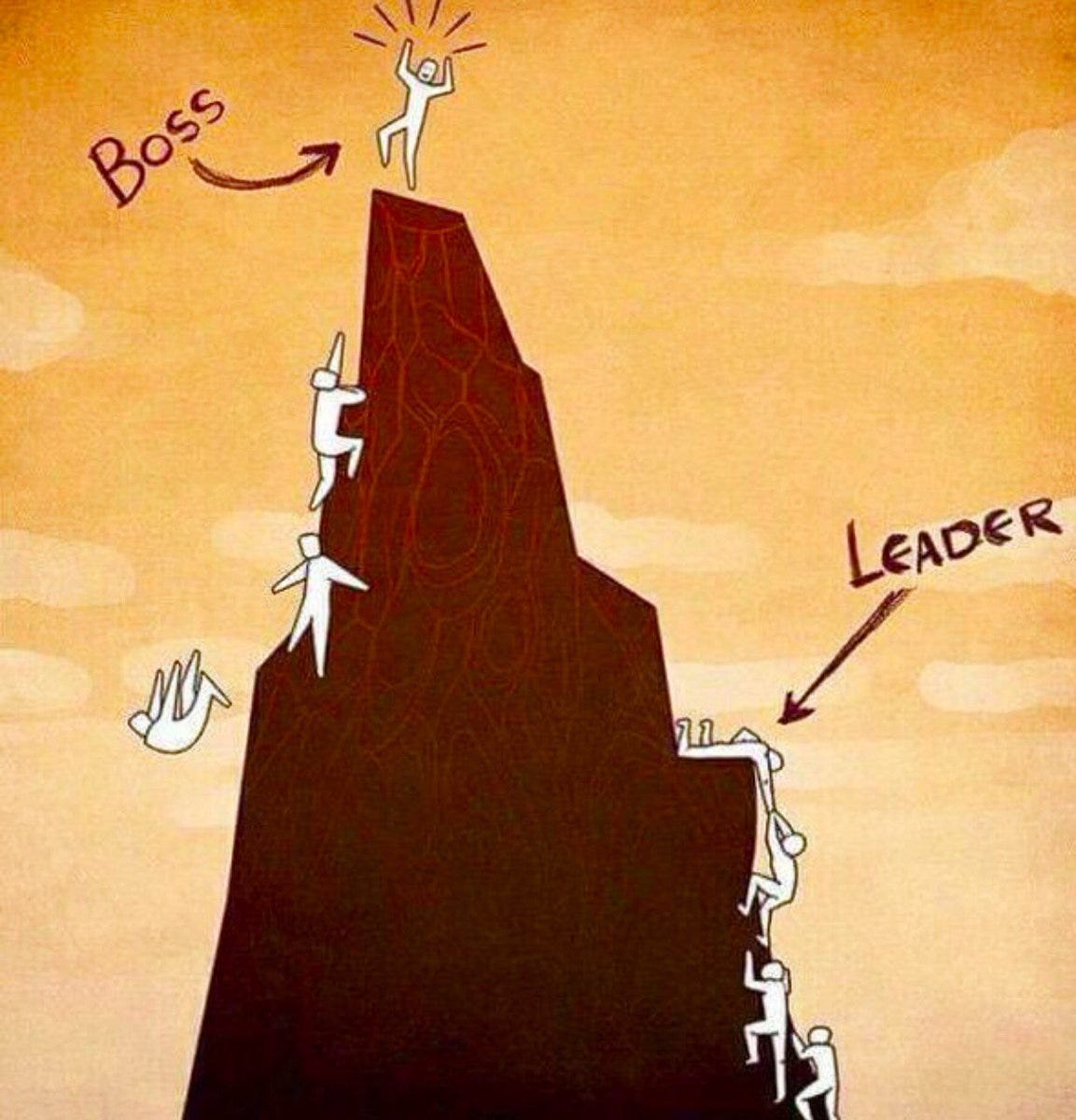
Leadership


I found this interesting article on the web on 14 Nov 19. Read on...
Imagine your life as two levels.
Level One: Follow
Level Two: Lead
Leadership can seem as though a person must be born with the wings of an angel. It can seem out of reach, difficult and not worth pursuing. I thought this once too. Becoming a leader was the last thing on my mind. It seemed pointless.
Then, in a moment that resembles the unveiling of a Picasso painting for the very first time, I saw the truth: leadership is obtainable. You don’t have to have any experience or be born with a god-like sense of likability.
I was always a follower in my career. Then, level two became interesting. Was it really that hard? Could a novice play the game and find the secret to winning?
During that Picasso moment, someone I admired told me how they became a leader. It wasn’t what I expected. They became a leader by first understanding this core principle that unlocks everything else about leadership.
That core principle is this: leadership is serving others before yourself.
This principle was somewhat revolutionary to a kid born in the Kangaroo Country of Australia, mate. If that was at the heart of it all, how many people like me were failing to try level two all because they didn’t know this?


My journey of leadership began from here. Now I lead people for a living and also do the same role online as a blogger which has helped me navigate what the basics of leadership are for those who haven’t done it before.

If you haven’t been a leader before, this is what you need to know:


Role model

Whoever came up with the word ‘leader’ made a mistake. They should have written the meaning of leadership as two words: role model.
That’s what a leader is. Your job is to role model the right behaviors. You do this by the way you talk, the decisions you make, and most of all, how you treat other people — especially those people who don’t directly serve your cause or in some cases are total strangers.
That’s right, your treatment of strangers demonstrates what you stand for.
That JFK moment where he asks the cleaner what he’s doing and he says “I’m helping put a man on the moon” is a perfect example. JFK treats the cleaner with respect and asks his opinions while others with his job title may have chosen to ignore the janitor.


Anger

Don’t get pissed off in front of everybody.
The myth of a leader is that they never get pissed off most days and seem calm. This is BS.
Leaders know that it’s best not to get angry or say something you’ll regret in public. This doesn’t mean leaders don’t get angry too; it’s just that they understand how to control it rather than let it control them.


Inspiration

A leaders job is to get people to do stuff.
That’s how it was explained to me when I tried to become a school captain in primary school and asked the former school captain for their advice. Getting stuff done is glorified. Many everyday tasks are not as glamorous as putting a human on the moon yet they still need to be done.


The way a leader does this is by positioning a goal in a way that is inspiring.
That could be something as simple as linking the calling of customers with someone’s career plan to be a championship golfer or using the task of compiling spreadsheets as a step in the process of overcoming a major battle with anxiety.
You inspire people by the way you link what they do to what matters to them.
You use your own stories that people can relate to and focus on how it helped you, instead of how the world is cruel and messed up.
Inspiration is just a pair of glasses you wear. These glasses see the good in everything rather than the other way round.


Look people in the eye

The power of looking someone in the eye is immensely powerful. It’s the most vulnerable we can be. It’s where all the stories you tell as a leader are communicated from.
Looking someone in the eye and telling them “We’ll do this” or “I got your back” is the place in which trust is built.
Through the whites of your eyes, you can tell people the most difficult things about themselves without shying away from the truth.
Eye contact is honesty.


Tell stories

Having people follow you requires you to communicate why you’re the person to lead. Stories are the best way to impart wisdom on the people you serve.
People won’t follow you unless they can relate to you and stories create that relationship. Find out what troubles your people and then provide a solution through telling a story about how it has been solved before.


Genuinely care about people

Show your team you care in the following ways:
  • Eat lunch with them
  • Play ping pong with them
  • Send them a message when they get sick
  • Be there for their mothers funeral
  • Congratulate them when they have their first child
These are the small ways you can show people you care. When you care about people, they care about you and respect your direction.


Be clear what you stand for

The whole act of following someone starts with what they stand for.
If you like a leader, but they stand for something that’s not you, you won’t follow them. You can’t stand for everything. What do you want people to know you for?


Get in the trenches

True leadership is about ditching the overused prison of hierarchy.
People follow you when you show them that you are just like them. That’s why I never ask someone to do something I’m not prepared to do myself. I love spending a day in the life of my team. It shows me their challenges and allows me to be compassionate when things go wrong.
If all you do is preach and never do the hard yards — or it has been years since you’ve done the hard yards — people won’t follow you.
Show people that you don’t believe in hierarchy by doing what they do. As a leader, you’re not better than your team who follow you. What they do, you do.


Don’t be afraid to ask for help

Just because you’re the leader, it doesn’t mean you have all the answers.
It’s okay to ask for help and that doesn’t make you any less of a leader. Leaders realize that they can’t do their job without the support of people who have the skills they are lacking. Leadership is a team sport. Ask for help.


Delegate tasks thoughtfully

Some leaders make the mistake of trying to do everything and be everywhere. This leads to overwhelm and burnout. Delegating is part of the job description.
A little hack I’ve learned is to delegate thoughtfully by picking tasks that also support the personal interests of my team.
If someone has a goal to learn negotiation, delegate out your next negotiation or let them join you. Be thoughtful about allocating tasks based on what your people care about. Being thoughtful like this builds an unwavering level of loyalty.


Be okay with not doing everything well

I suck at spreadsheets. That’s why I shout it from the rooftop.
Nobody can be truly good at everything no matter their education. You have a list of strengths and weaknesses. So do I, so does Elon Musk and so do your team. Don’t forget that.


Praise but don’t forget to have the hard conversations

Otherwise, you’ll end up being a marshmallow. Overly soft, yummy in small doses, but no good for overall nutrition.
Praising is important and so is having the tough conversations when someone isn’t giving their best. People appreciate when you have the tough conversations with them because that’s where they can draw all their future growth from.
If all you do is praise and high-five everyone, your team will never learn anything.
The best learning is done under pressure or in uncomfortable circumstances which will ultimately lead to hard conversations when the results fall in the not so great category.


Keep it simple

A few key goals are all you need.
Leaders that say they are going to do it all almost always end up doing not much. People lose faith in people that promise the world and don’t deliver anything tangible.
Delivery as a leader comes from focus. Focus is built, from experience, by having no more than three simple things you want your team to achieve.


Know there will be a few people who don’t like you

This is not told to you from the start.
As a leader, you’ll have some people that love you, some that don’t love you or hate you and then some people that think everything you do sucks.


Your job as a leader is not to have everyone love you. It is your job, though, to have people respect you regardless if they disagree with what you stand for.
Having said that, you’ll also have some people that don’t even fit into this category and just hate you because their own life sucks and hating you fills some void in them that you could never predict nor should you ever attempt to understand.
Learn to love everybody not just the people who agree with you.
You’ll learn an awful lot from people who disagree or even hate you.


That’s leadership in a nutshell for those who haven’t done it before.Give level two a go. It’s a whole different ball game.
The world needs more leaders.


Tuesday, June 4, 2019

Kaifi Azmi

कोई ये कैसे बताए के वो तन्हा क्यों है ? 
वो जो अपना था वोही और किसी का क्यों है ? 
यही दुनिया है तो फिर ऐसी ये दुनिया क्यों है ? 
यही होता हैं तो आखिर यही होता क्यों है ? 

एक ज़रा हाथ बढ़ा दे तो पकड़ले दामन 
उसके सीने में समा जाये हमारी धड़कन 
इतनी कुर्बत हैं तो फिर फ़ासला इतना क्यों है ? 

दिल-ए-बरबाद से निकला नहीं अब तक कोई 
एक लुटे घर पे दिया करता हैं दस्तक कोई 
आस जो टूट गयी फिर से बंधाता क्यों है ? 

तुम मसर्रत का कहो या इसे ग़म का रिश्ता 
कहते हैं प्यार का रिश्ता हैं जनम का रिश्ता 
हैं जनम का जो ये रिश्ता तो बदलता क्यों है ? 


------------------------------------------------
कुरबत = nearness (opposite of dooree)
मसर्रत = happiness 
------------------------------------------------


6
SHARES

Tuesday, June 12, 2018

उत्तिष्ठ भारतम

As my train chugged along slowly at an elephantine speed from Old Delhi station to Shahdra, it passed along Red Fort on the right and Salimgarh Fort on the left. I saw the erstwhile  'Bridge of the Boats ' on river Yamuna, on which had passed the mutineers from Meerut, while on their way to revolt against the British garrison at Delhi in 1857. Having been transported back in time, the sight of brackish water of the dying river underneath brought me back to reality with a rude jolt. What have we done to this great historical city of Khiljis and Taimur Lang and where is the 'Swachh Bharat' campaign of the contemporary ruler. All along the railway line, encroaching on the public land were the poor slumdwellers with the ugly face of poverty on display. I thanked myself for choosing the afternoon train, or else, I would have seen a lot of bums with bombs underneath. In the distance beyond the squalor and the underbelly of Bharat, I saw the Metro train speeding at a breakneck speed in sharp contrast to mine, possibly denying the spectacle to the well- heeled, who in any case are happy to hide behind their screens. Who will solve the problems of this nation when we are not even ready to acknowledge them.उतिष्ठ भारत।

Friday, October 28, 2011

A Dog's Tale

These lines from Mark Twain's famous book " A Dog's Tale" are so inspiring and show all of us the way in which we must lead our lives.They are reproduced here verbatim, as they have been expressed so succinctly in the author's own words.
"When I was well grown, at last, I was sold and taken away, and I never
saw her again.  She was broken-hearted, and so was I, and we cried; but
she comforted me as well as she could, and said we were sent into this
world for a wise and good purpose, and must do our duties without
repining, take our life as we might find it, live it for the best good of
others, and never mind about the results; they were not our affair.  She
said men who did like this would have a noble and beautiful reward by and
by in another world, and although we animals would not go there, to do
well and right without reward would give to our brief lives a worthiness
and dignity which in itself would be a reward."

Friday, July 1, 2011

HBR Blog


Before you proceed, grab a pen and paper and take a moment to do this quick exercise: Write the name of the best leader, teacher, or coach you've ever had. Write the name of the individual who made a difference in your life, who seemed to care more about you than you cared about yourself.
You'll find that if you're over 40, you are able to name at least one person, and often two or more. Typically, one of these individuals is a former boss. If you're younger than 40, however, you may come up with one name, but it's rarely someone with whom you've worked; you name an athletic coach or a high school teacher. Having administered this exercise to executives of many types and ages in recent years, I can tell you that this is almost always how the answers skew.
We have a vicious cycle operating in many organizations. Senior leaders blame the young MBAs for being naive and entitled, and assume that the younger generation arrives at the company with "negative" attitudes intact. These younger employees, however, form this attitude only because they are in desperate need of someone who cares about them, who communicates that they matter, who lets them know they make a difference. They don't need positive feedback when it isn't deserved. What they need are managers and leaders who are aware that they want to feel significant and who make the effort to communicate this fact in small as well as big ways.
I'm not absolving you of responsibility for finding your own significance in a career or a job. No matter whether you're a young, middle-aged, or older professional, if you're driven to achieve, you also need to be driven to find your place in a work setting. You can't depend on an organization to make a concerted and consistent effort to imbue your work with meaning.
Recognize that the challenges of finding significance are in part based on your age, in part on your social motives and values, in part on your mental makeup (e.g., are you in the midst of divorce or other life crisis?), in part on your work situation (e.g., a massive downsizing or culture change), and in part, on management's approach to this issue. While you can't control some of these factors, you can control your response to them.
You need to define and redefine what type of work you want to do, what type of organization and culture you want to be part of, and what goals you want to strive for. And you need to do this regularly, since what's significant now might not be as significant a year from now. For some of you, working for the leading organization in your field may be of prime significance. For others, working in a smaller, closer-knit culture is what matters.
Finally, if you want to increase the odds that your organization will help you find significance in your work, look for the modern equivalent of the apprenticeship model. Seek work in companies where young people, those new to an organization, and even some veteran employees starting out on new jobs and tasks essentially serve as apprentices to "master craftsmen." This entails a lot of learning on the job — following senior people around, asking questions, being questioned, trying, failing, and then succeeding. Apprentices naturally feel significant, since their master is responsible for them and their education. They receive continuous feedback, their learning and progress is monitored, and when they are ready, they are promoted into positions of responsibility. In this way, they achieve significance.
You want to find an organization where senior people enjoy mentoring rather than resent the time required and billable hours lost. You want to work for a company where your learning and growth is valued, where you are treated as distinct individual rather than a replaceable part. Finding this type of company is more challenging today than years ago, but it's worth the effort, since finding it will go a long way in helping you find the significance you seek.